Before your visit
What to know for a comfortable examination and accurate results.
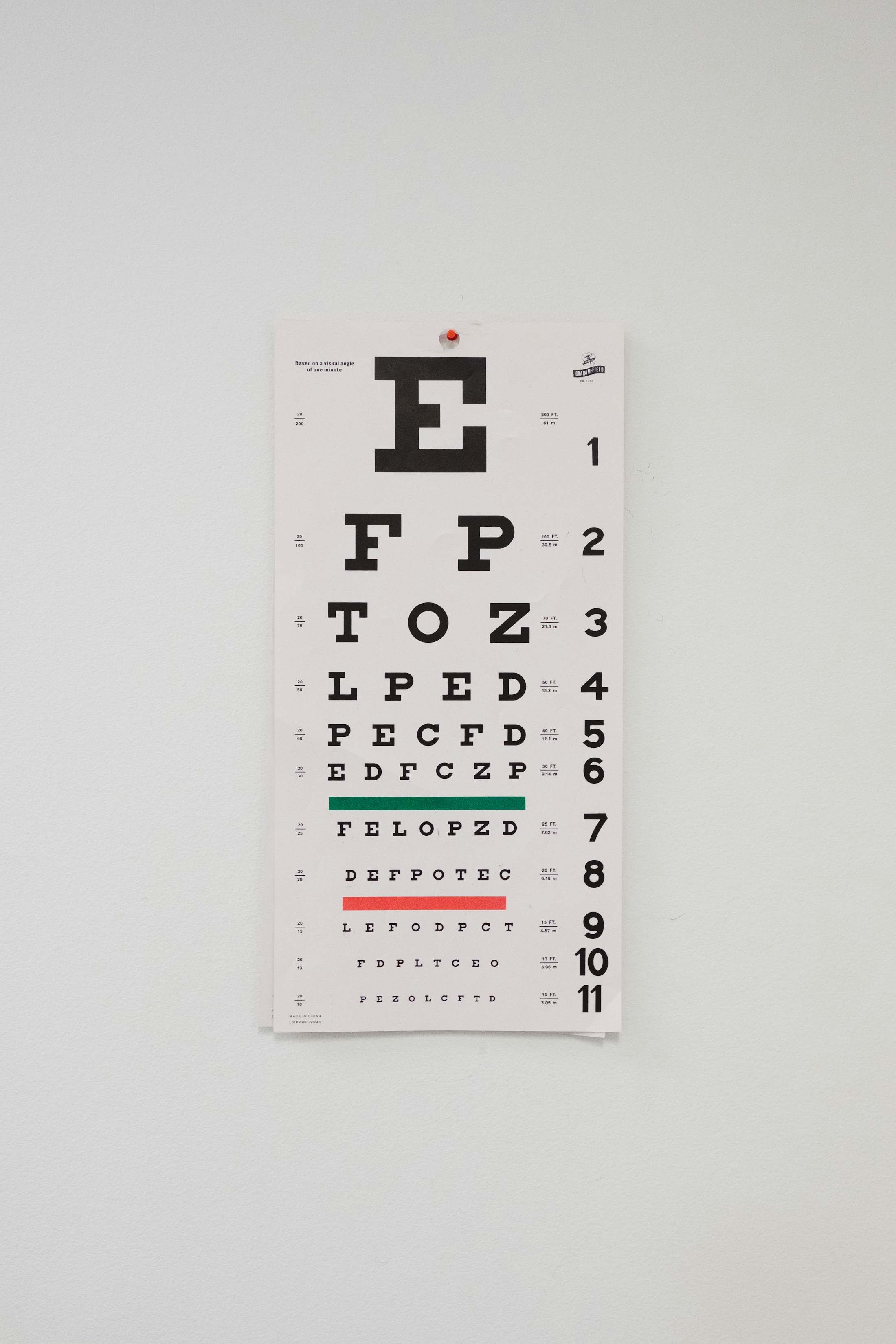
How the visit works
Booking
Book by phone or WhatsApp. A short note about your concern helps us plan how long the visit should be.
History and measurements
We ask about your symptoms, general health and family history of eye disease, then measure visual acuity and refraction.
Detailed examination
The front of the eye and eye pressure are assessed. If needed, the pupils are dilated with drops to examine the retina.
Explanation
Findings and treatment options are explained clearly, and a follow-up plan is agreed together.
Before and after surgery
- Before and after cataract surgeryHow to prepare for cataract surgery, what happens on the day, and what to watch for while you recover.
- Before and after strabismus surgeryPreparing for strabismus surgery in children and adults, and the recovery period afterwards.
- After corneal cross-linkingThe first days and the recovery period after corneal cross-linking for keratoconus.
What to bring
- Your glasses and lenses
- Bring all the glasses you use and any contact lens details.
- Your medication list
- Note the names of your eye drops and any other medication.
- Previous reports
- Earlier examination, test and surgical reports help the assessment.
- Identity document
- Bring an identity document and any insurance details.
If you wear contact lenses, you may need to leave them out for a while before corneal measurements (topography) and pre-operative assessments. Please ask about this when booking.
Coming with your child
- Choose a time when your child is rested and has eaten.
- Bring a favourite toy or book.
- Bring their glasses and eye patch, if they use them.
- Allow 1–2 hours, as an examination with drops takes time.
- Describe the visit calmly: “we’re going to look at your eyes.”
After dilating drops
- Dilating drops can last from a few hours to a day.
- Near vision may be blurry and light may feel bright; sunglasses help.
- Do not drive until the effect has worn off; come with a companion if you can.
Frequently asked questions
For sudden loss of vision, a chemical in the eye or a serious eye injury, go to the nearest hospital emergency department without delay or call 112.
How long does an examination take?
An examination without drops usually takes 20–30 minutes. If the pupils need to be dilated, waiting for the drops to work can extend the visit to 1–2 hours.
Can I go back to school or work after drops?
Distance vision is usually unaffected, but reading and screen use can be difficult for a few hours. It is best to plan the visit on a day without demanding near work.
Will I get a glasses prescription at the visit?
Yes, if one is needed it is issued at the end of the visit. For children it is usually given after the measurement with drops.
When should I seek care without waiting?
Sudden loss of vision, a chemical in the eye, a blow or penetrating injury, sudden severe pain and redness, or flashes of light with a curtain over your vision need urgent care. Go to the nearest hospital emergency department.