Childhood Myopia in the Screen Era
Why is childhood myopia increasing, which signs should parents notice, and what can be done to slow its progression?
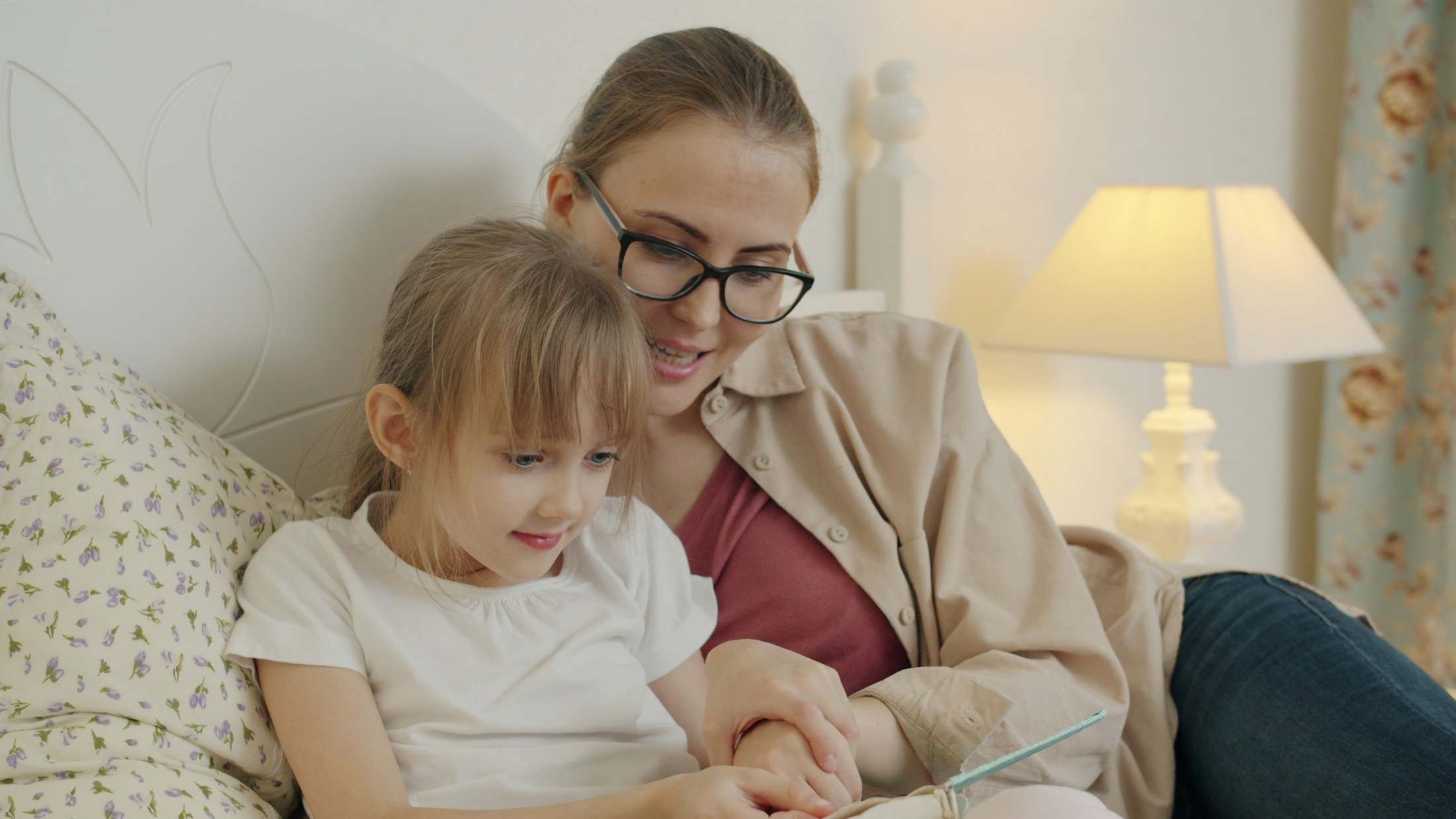
Myopia (short-sightedness) means that distant objects look blurred. In recent years, a marked increase in childhood myopia has been reported in many parts of the world. This rise cannot be explained by genetics alone; changes in lifestyle are thought to play an important role.
Why is myopia increasing?
- Less time outdoors: Time spent in daylight has been shown to protect against the development of myopia.
- Intensive near work: Long periods of close focus on tablets, phones and books are among the risk factors.
- Family history: Children with one or both parents who are myopic are at higher risk.
Which signs should you watch for?
Difficulty seeing the board, sitting close to the TV, squinting and headaches are the most common signs. Some children, however, never complain — which is why regular eye examinations matter.
Can myopia progression be slowed?
Myopia that begins in childhood tends to increase throughout the growing years, and high myopia can raise the risk of certain eye diseases later in life. Today there are methods with scientifically demonstrated effectiveness in slowing progression:
- Low-dose atropine eye drops
- Spectacle lenses designed for myopia control
- Contact lenses designed for myopia control
The appropriate method is chosen according to the child’s age, degree of myopia and rate of progression.
What can you do in daily life?
- Encourage your child to spend at least two hours outdoors every day.
- Build regular breaks into near work: looking into the distance for a few seconds every 20 minutes is a good habit.
- Make sure screens are not held too close and that the room is well lit.
The goal of myopia care is not only to correct today’s vision, but to protect a child’s eye health for the years ahead.
The information on this site is general and does not replace an examination, diagnosis or treatment.