Your Child’s Eyes: Which Exam, at What Age?
When should children have their eyes examined from birth to school age, what happens during the exam, and what should parents watch for?
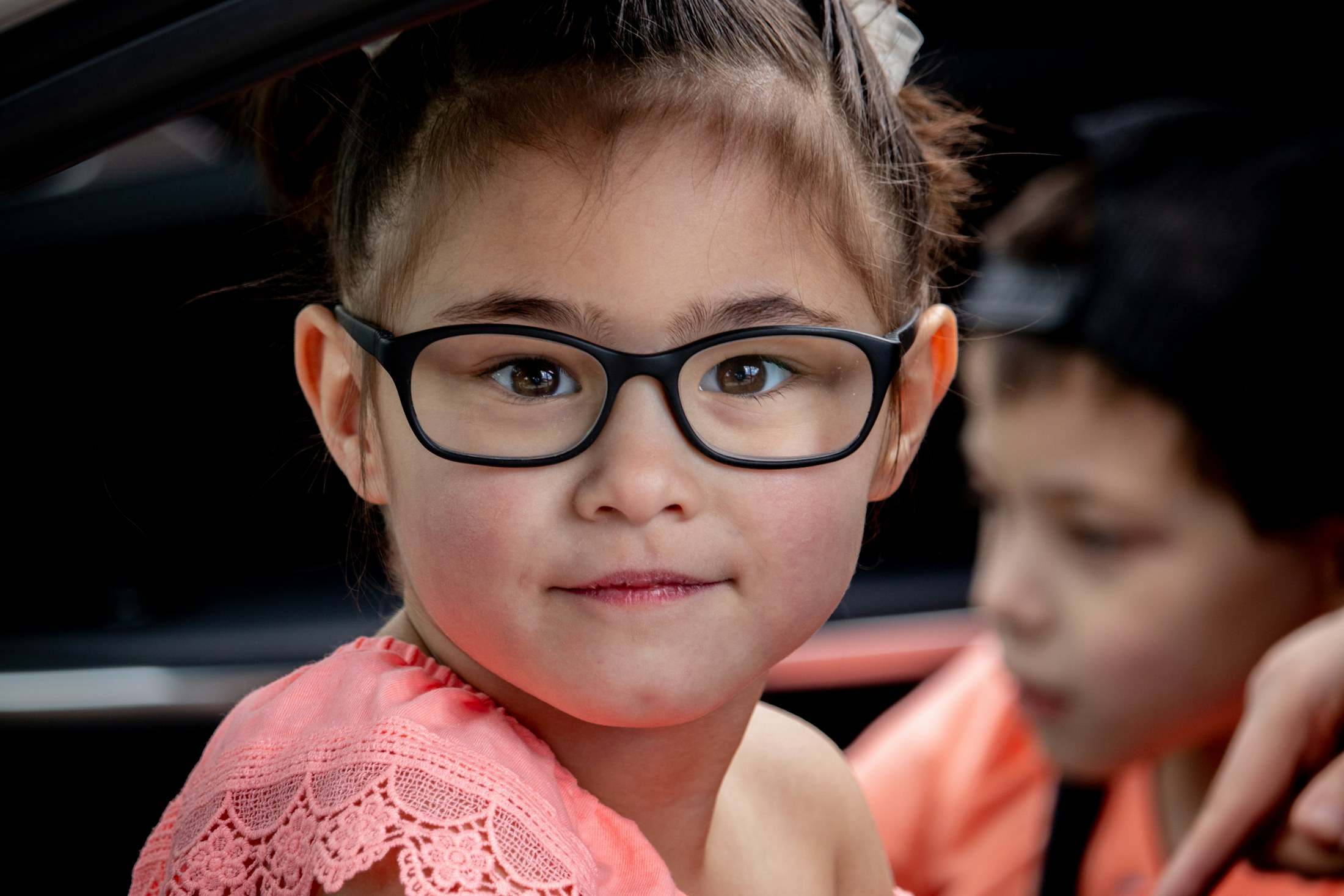
A child’s visual system is not mature at birth; clear vision and the ability to use both eyes together develop rapidly over the first years. A problem that goes unnoticed during this period can become permanent visual loss that cannot be fully corrected even with glasses. What’s more, children often do not realise — or cannot tell us — that they do not see well.
When should the eyes be examined?
- Newborns and the first months: If a white reflex in the pupil, marked watering or a drooping eyelid is noticed, an eye examination should be arranged without delay. Babies born prematurely are followed separately for retinopathy of prematurity.
- A turn persisting beyond 3–4 months: Brief misalignments are common early on, but any turn persisting beyond 3–4 months of age needs to be examined.
- Around age 3–4: Even without any complaints, every child should have a comprehensive eye examination in the preschool years.
- School age: Falling school performance, headaches and difficulty seeing the board are important signs. Children with myopia should be followed at regular intervals.
Children with a family history of strabismus, amblyopia or high refractive error should have their first examination earlier.
What happens during the exam?
Unlike an adult examination, a pediatric eye exam relies on play, patience and age-appropriate tests. Vision and eye movements can be assessed even in children who cannot yet talk.
One of the most important parts is cycloplegic refraction, performed after eye drops. Because children have such a strong focusing ability, their true prescription can only be measured accurately with these drops. The effect lasts from a few hours to a day; during this time your child may find near vision blurry and light uncomfortable. This is temporary.
What should parents look out for?
- Sitting very close to the TV or holding a tablet very close
- Squinting, frequent eye rubbing, tilting the head to look
- Closing one eye in bright sunlight
- A different (white) reflex in one pupil in photographs
If you notice any of these signs, do not postpone your child’s eye examination. Early diagnosis significantly improves the success of treatment.
The information on this site is general and does not replace an examination, diagnosis or treatment.