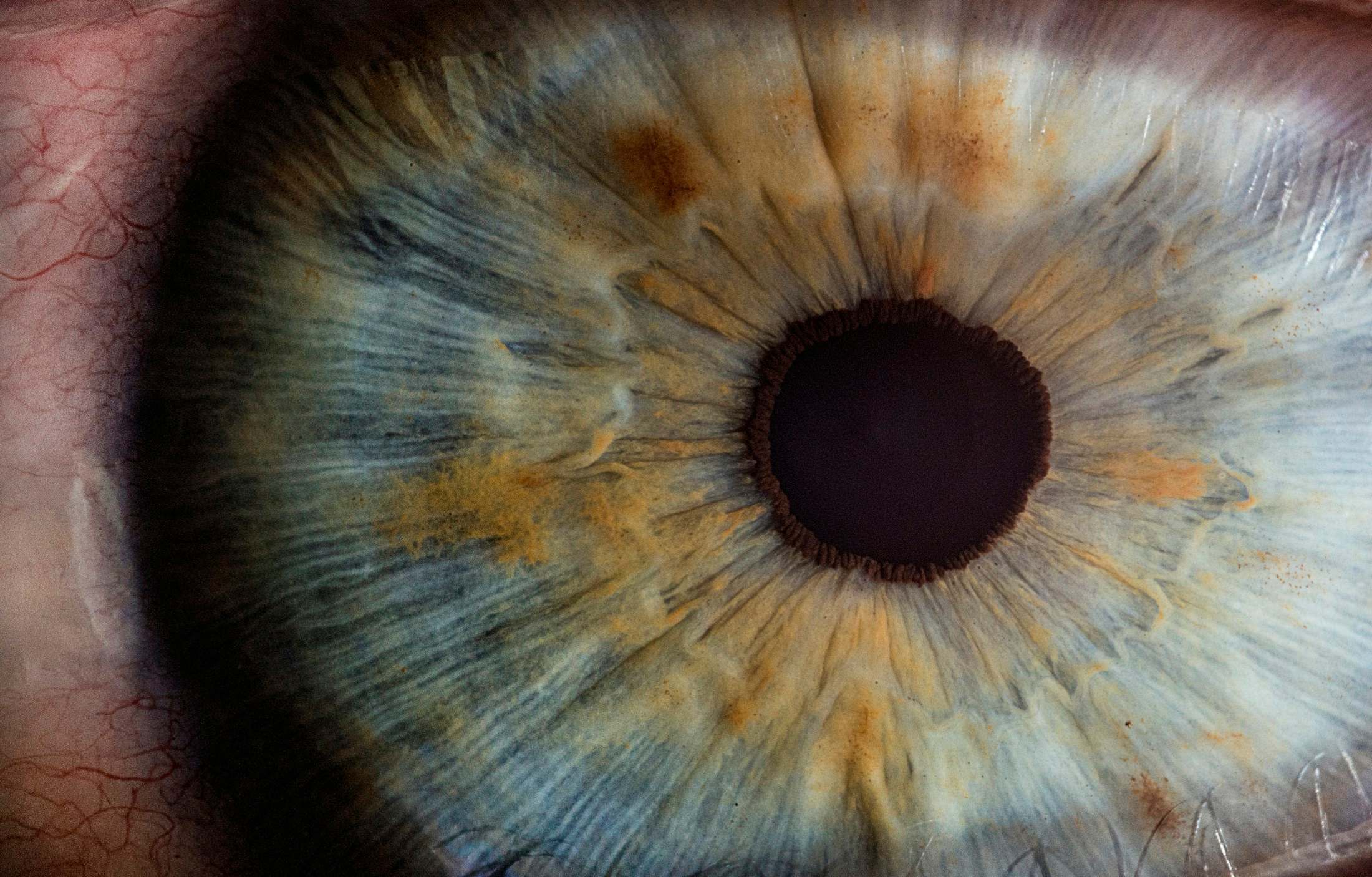
Keratoconus is a condition in which the cornea — the clear front window of the eye — gradually thins and bulges forward into a cone shape. It usually begins in adolescence and may progress, reducing visual quality through irregular astigmatism.
Eye rubbing and allergic eye disease are important factors in progression. Early diagnosis provides an opportunity to protect the cornea.
Signs and symptoms
- Frequently changing prescription and increasing astigmatism
- Blurred, distorted vision and halos around lights
- Light sensitivity
- Vision that cannot be fully corrected with glasses
Diagnosis
Diagnosis relies on corneal topography and tomography, corneal thickness measurement (pachymetry), refraction and slit-lamp examination. Progression is assessed with serial measurements over time.
Treatment options
- Corneal cross-linking
- Riboflavin drops combined with ultraviolet-A light strengthen the corneal tissue, aiming to halt progression.
- Specialty contact lenses
- Rigid gas-permeable and other lenses designed for keratoconus can improve visual quality.
- Itch and allergy control
- Preventing eye rubbing and treating associated allergy are integral parts of care.
- Advanced options
- In advanced cases, surgical options such as corneal ring segments or corneal transplantation are considered.
Frequently asked questions
Will cross-linking correct my vision?
The main purpose of cross-linking is to stop the disease from progressing; it does not remove the existing prescription. Vision is usually corrected with glasses or specialty contact lenses.
Can it be performed in children?
Yes. Keratoconus can progress faster in children, so timely cross-linking once progression is documented is important.
Before and after surgery: After corneal cross-linking
The information on this site is general and does not replace an examination, diagnosis or treatment.